One daily conversation · November 9, 2026Answers are easy.
Answers are easy.
Understanding takes a moment.
The big stories, talked through by a learner, a moderator and a CEO.
Maya · British host / Jay · American learner / Alex · CEO perspective
Three fictional speakers · ElevenLabs V4 dialogue
The latest, explained.
Selected stories · original sources linkedAI can build a model.
Can we understand it?
Researchers are using AI to help explain the world. Getting an answer is only the beginning.
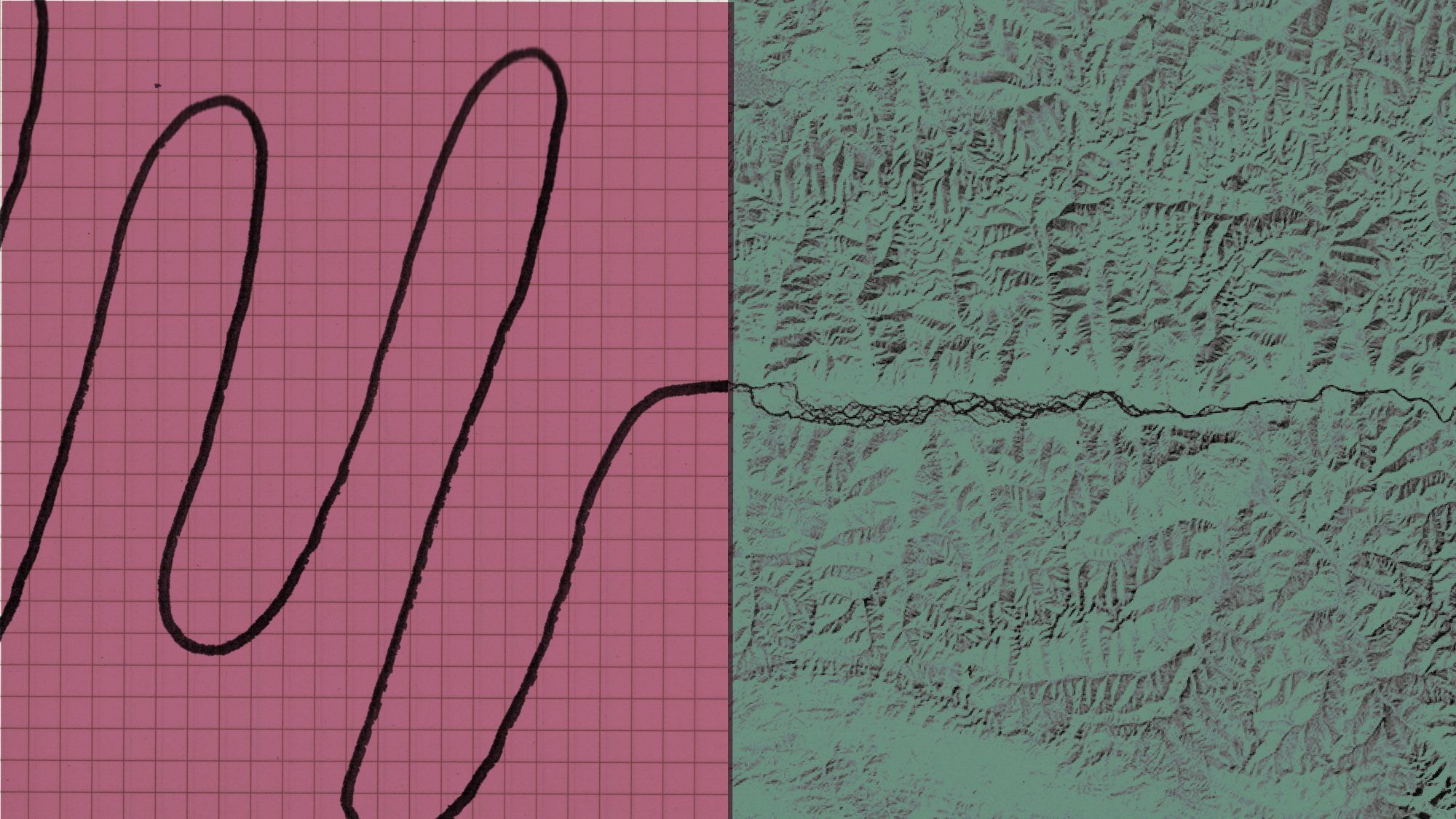 Illustration: Anthropic
In a guest article published by Anthropic, researchers in Tübingen explain how AI can help build and test scientific models. Their central question: what does the result tell us about the real world?
Why this matters to you
Read the original · Anthropic ↗An answer can look right without helping you understand. Ask: “How would I check this?”
AI that helps you work it out.

Google is bringing Guided Learning into Classroom and piloting it in Search. The aim: questions and steps that help students solve a problem.
What should I take from this?
Try asking for a hint before asking for the answer. Then explain the idea in your own words.
More researchers get a chance to use AI.
Anthropic is expanding its AI for Science program through foundations and research institutions.
The bigger question: who gets access to powerful tools—and who is left out?
Source · Anthropic ↗More to be curious about.
Five desks. Fresh ideas. Simple words.A tiny mystery inside a cell.
Researchers used Claude to study tiny, barrel-shaped parts inside cells. They mapped one of these parts. Scientists still do not fully know what it does.
Big ideas need small next steps.
Game studio founder Dieu Linh Vu is leading a Womenize! workshop on November 24. It covers starting a company and planning how to fund it.
AI can make it. You choose what works.
Canva introduced Brush, an AI model that can make requested changes to a design. It can work on text and layouts.
There is more than one way into AI.
In a SheCanCode article, Erin McMahon describes her route into AI from the business side of technology. Her story highlights curiosity, creativity and judgment.
Jobs are changing. Keep learning useful skills.
Stanford researchers are tracking how jobs change as AI spreads. Their charts show early patterns across different kinds of work.
One minute. One new idea.
Watch a short excerpt. Keep a question.Seeing is just the start.
Spatial intelligence connects what AI sees with what might happen next.
Your turn
A robot sees a cup near the edge of a table. Someone reaches across. What should it check before moving?
Talk it through with Olive ↗A better answer starts with a clearer ask.
Say what you need, give context, and describe a useful result.
Your turn
Improve this prompt: “Help me study.” Add the topic, your level and what you want to practise.
Make one small task easier.
See how Shortcuts can connect an AI response to another action.
Your turn
Plan a shortcut for your study notes. What goes in? What should come out? What would you check?
Five skills. Start anywhere.
Small steps for the AI era01 · PromptingAsk AI well.
+
Give it a task, some context and a clear result to aim for.
Try: “Quiz me on photosynthesis. One question at a time. Let me answer first.”
Watch the prompting clip ↑02 · ShortcutsSave a little time.
+
Join small actions into one useful workflow. Keep a check before anything important happens.
Try: turn a page of notes into three questions you can answer yourself.
Learn with Apple ↗03 · HIG DesignMake it easy to use.
+
HIG means Human Interface Guidelines: guidance for making clear, usable interfaces.
Try: replace a vague “Fix it” button with words that say what will happen.
Apple’s design guide ↗04 · From Idea to ImpactMake something useful.
+
Start with one person and one problem. Make a small version. See if it helps.
Try: ask a classmate which study task wastes their time. Sketch one way to help.
Practise your idea ↗05 · Human-Centered AIKeep people in charge.
+
Ask who benefits, what could go wrong and where a person needs to decide.
Try: name one thing you would ask AI to help with—and one decision you would keep.
Design AI for people ↗Good questions for your headphones.
Longer listens · take one idea with youWhat should AI do—and what should people keep?
Real examples of putting AI to work, setting boundaries and staying accountable.
47 min 53 sec · Full podcastListen on Practical AI ↗One thing to listen for
Find a decision that stays with a person. Why does that boundary matter?
Where do we want AI to take us?
Matt Abrahams and Russ Altman discuss AI, human connection and the purpose of communication.
From the archive · Full podcastListen at Stanford GSB ↗One thing to listen for
How could AI help you explain an idea while keeping the message your own?
The 30-second news checkBefore you share it,
Before you share it,
question it.
- Who says it?Find the original source.
- What’s the evidence?A demo is a start. A claim needs checking.
- What’s still unknown?Look for limits, missing details and dates.
Why we existA newspaper for people
A newspaper for people
who are still learning.
The Daily Cupertino is a nonprofit learning publication by CodeDoor. We help students and curious people around the world understand what is happening in AI.
We select news, videos and podcasts, explain the useful idea, and give you something to try. No technical background needed.
Apply for an audio & video scholarship ↗Applications are reviewed. Access is subject to approval.